
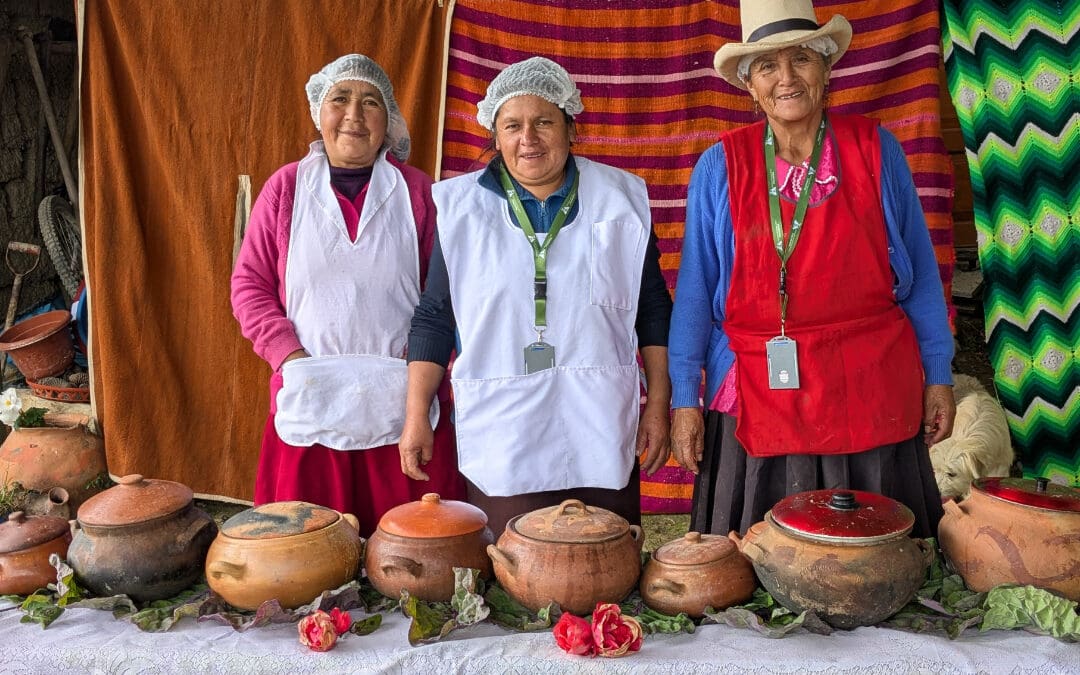
Building Balanced, Beautiful Plates with Regional Ingredients
For tourism providers, the opportunity is simple: build vegan meals around what the Andes already grow exceptionally well.
Even in countries where veganism is common, many restaurants and hotels still fail to offer satisfying vegan options. Plates often lack meaningful plant-based protein and healthy fats, relying instead on simple carbohydrates and a few vegetables. It can feel as though chefs have stopped trying.
The Andes tell a different story.
Andean communities cultivate some of the most protein-dense crops in the world — quinoa, tarwi (chocho), amaranth, fava beans, peas. Combined with the wide variety of fruits and vegetables available in local markets, tourism providers have everything they need to create balanced, vibrant plant-based meals.
Andean ingredients can — and should — provide complete, satisfying dishes for vegan guests while offering something far more important: a meal that is unmistakably local.
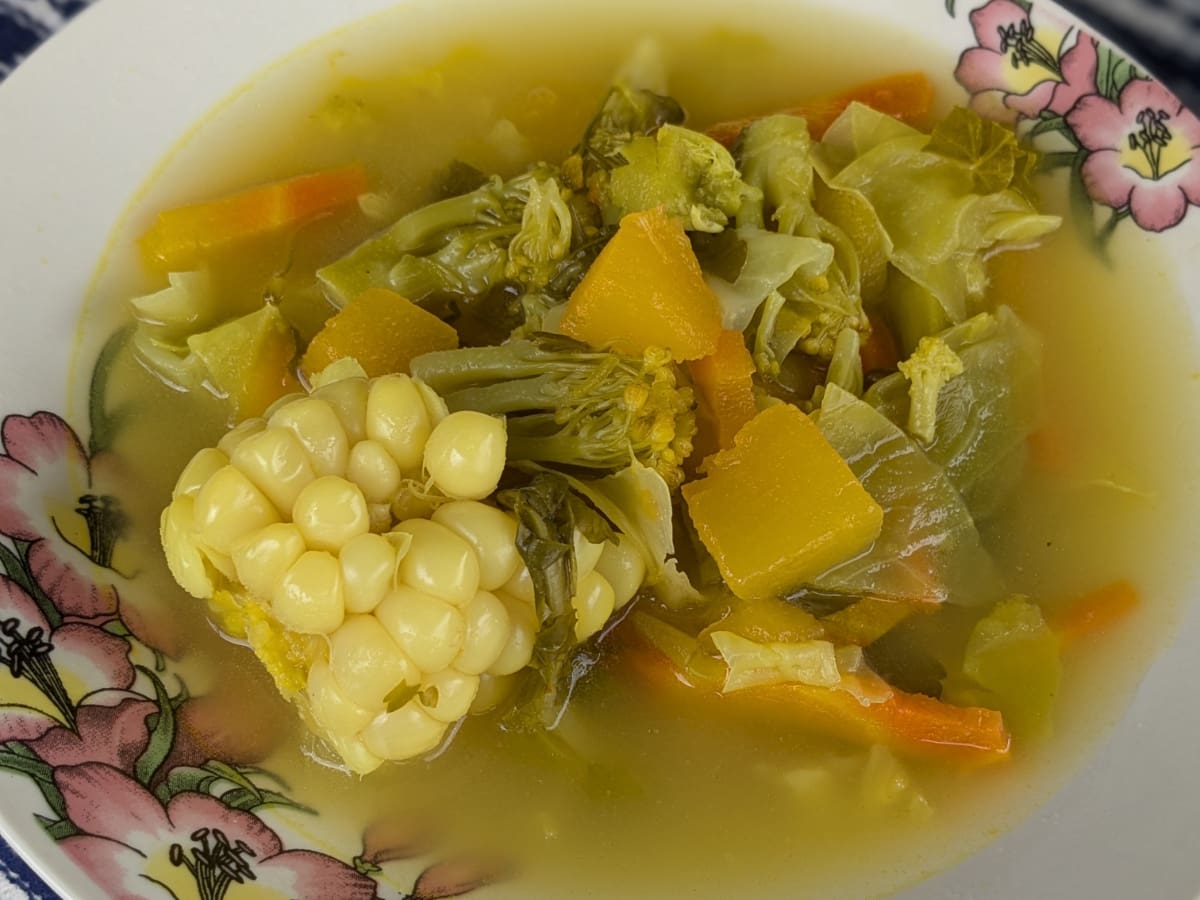
Vegan vs. Vegetarian: Why It Matters
Vegetarian guests may eat eggs, dairy, or honey. Vegan guests traditionally do not.
A vegan meal can safely be served to a vegetarian guest. A vegetarian meal does not always meet the requirements of a vegan guest.
That distinction matters.
Some guests are flexible. Others are precise. The most professional approach is simple: ask before they arrive.
On the reservation forms we design for our clients, we specifically ask about dietary requirements prior to arrival. This small act of clarity builds trust before the guest steps onto your property — and it allows your kitchen to plan intentionally instead of reacting at the table.
And let’s be clear — a vegan dish that consists of white rice and grilled vegetables is not a complete meal, especially for travelers hiking, birding, or trekking at altitude.
Protein matters.
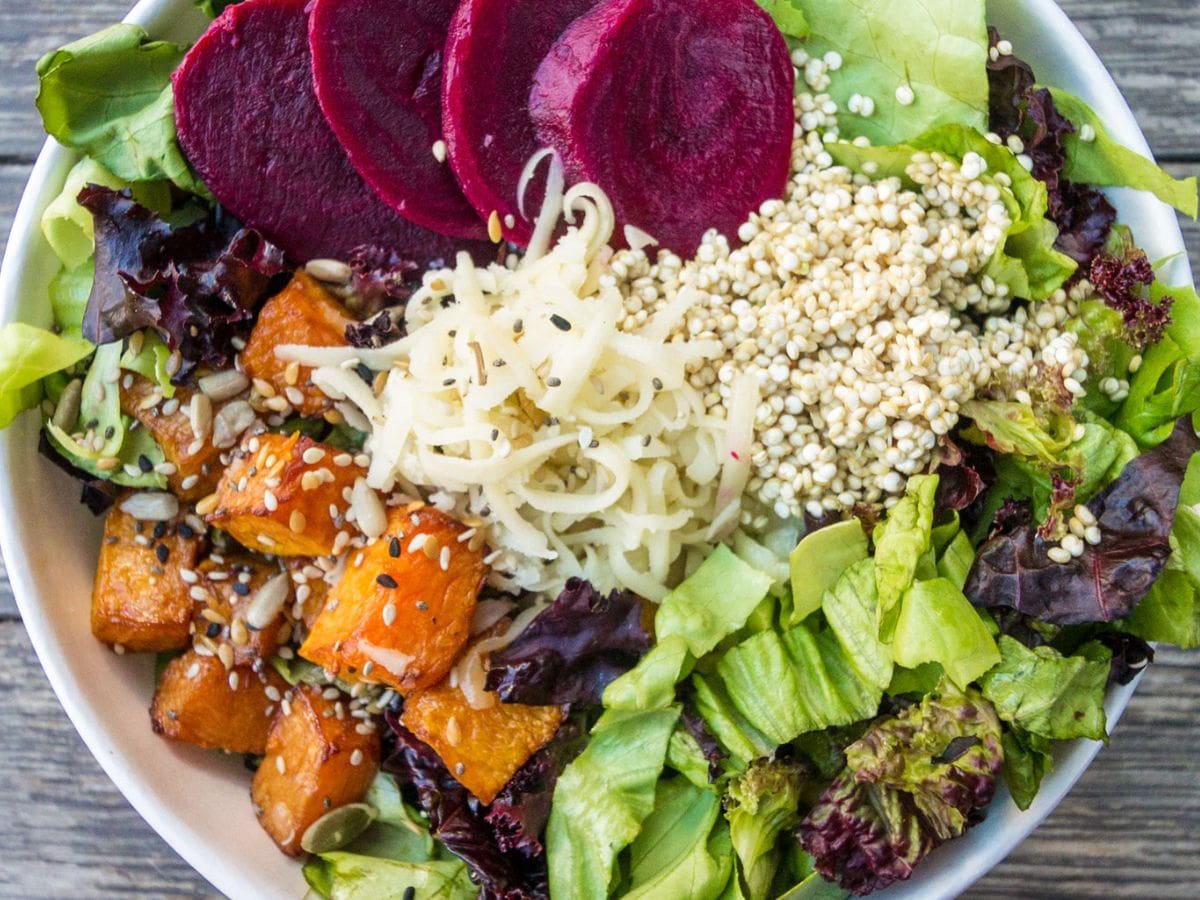
Plant-based Protein Anchors in the Andes
These ingredients carry the nutritional weight of a satisfying plant-based meal.
Protein does more than support muscle. It helps regulate hunger, stabilize blood sugar, and create a lasting sense of fullness. A plate built primarily from simple carbohydrates may feel adequate in the moment, but it often leaves guests hungry again within an hour.
For travelers hiking at altitude, birding at dawn, or trekking long distances, steady energy matters. Protein slows digestion, supports sustained energy release, and helps prevent the fatigue that can follow a meal built only on starch.
In short, protein helps guests feel both satisfied and capable.
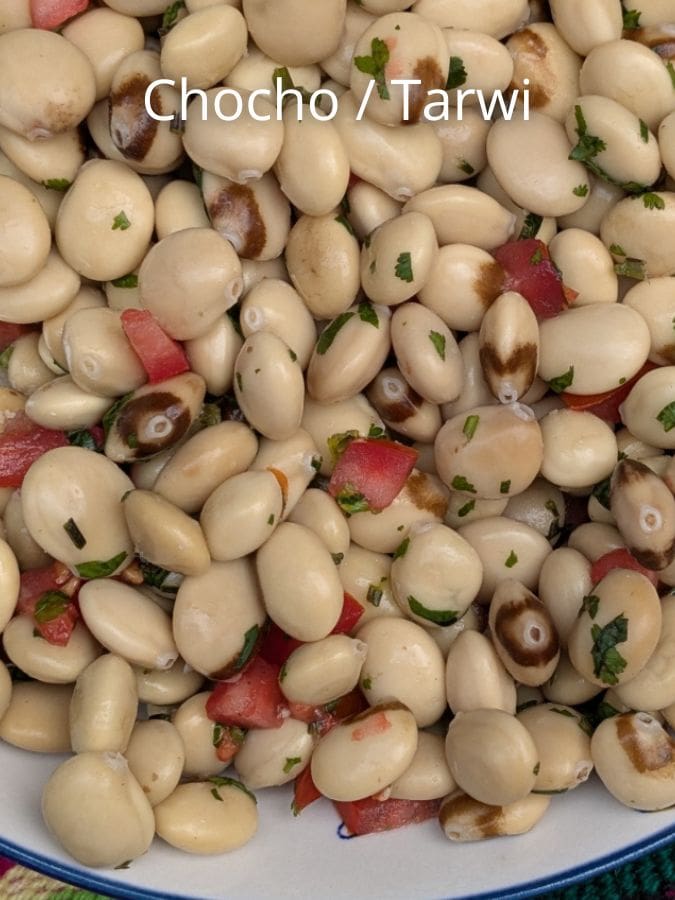
Tarwi (Chocho / Lupin Bean)
Tarwi (Peru) or Chocho (Ecuador) contains 14–18 grams of protein per 100 grams when cooked.
It works as:
- Cevichocho
- Herb-blended spread
- Salad topper
- Protein purée base
Tarwi is one of the most powerful plant proteins in the Andes.
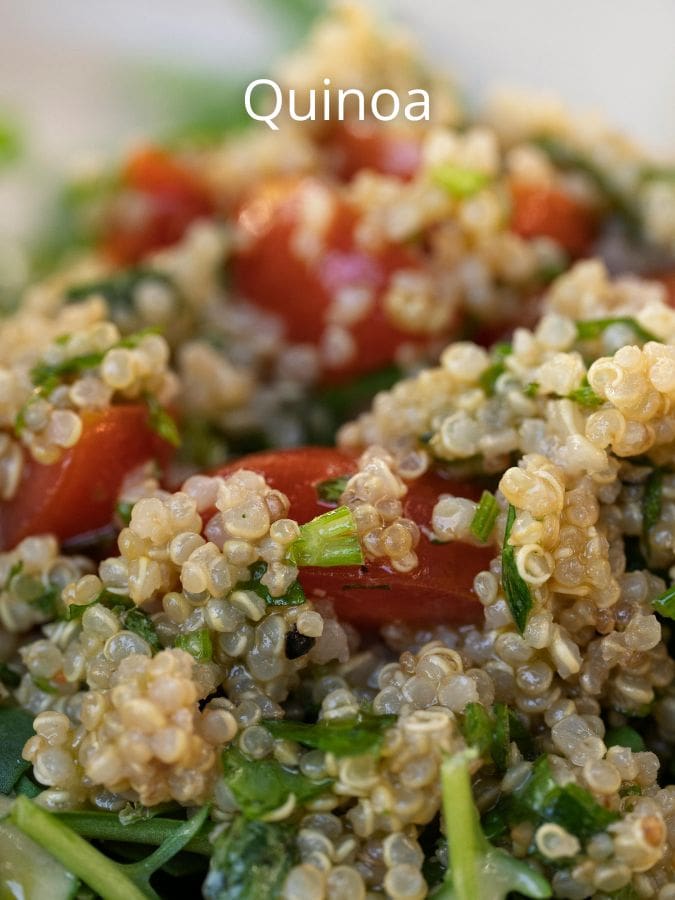
Quinoa
Quinoa contains 4–5 grams of protein per 100 grams when cooked and is considered a complete protein.
Quinoa works as:
- A base for bowls
- Breakfast porridge
- Soup thickener
- Grain salad foundation
It signals both nutrition and place.
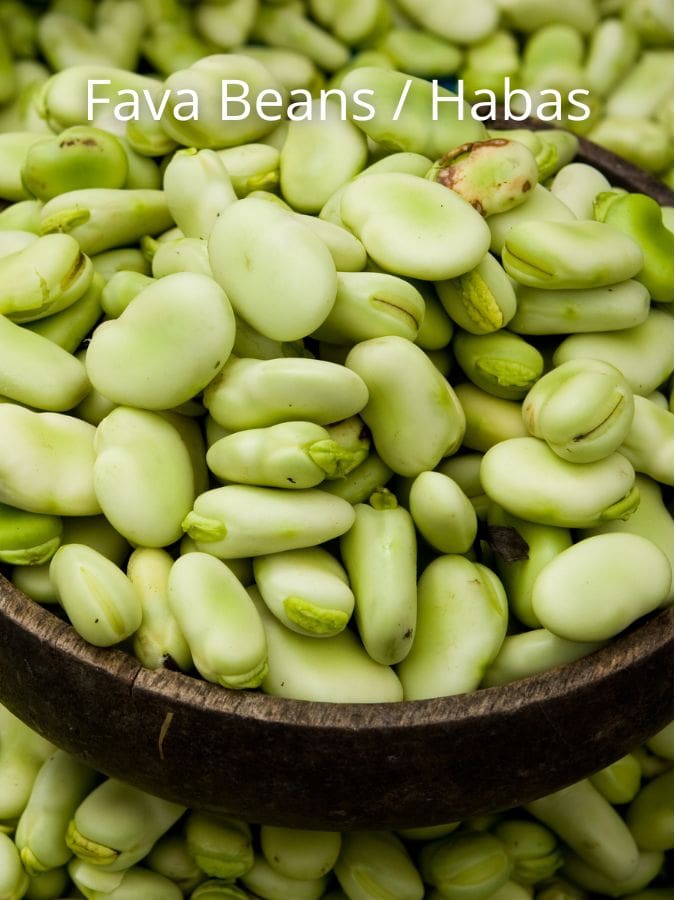
Fava Beans & Legumes
Fave Beans and similar legumes like peas and lentils contain 7–9 grams of protein per 100 grams when cooked.
They work beautifully in:
- Stews
- Soups
- Salads
- Mashed or whole
Legumes are practical and delicious in Andean cuisine.
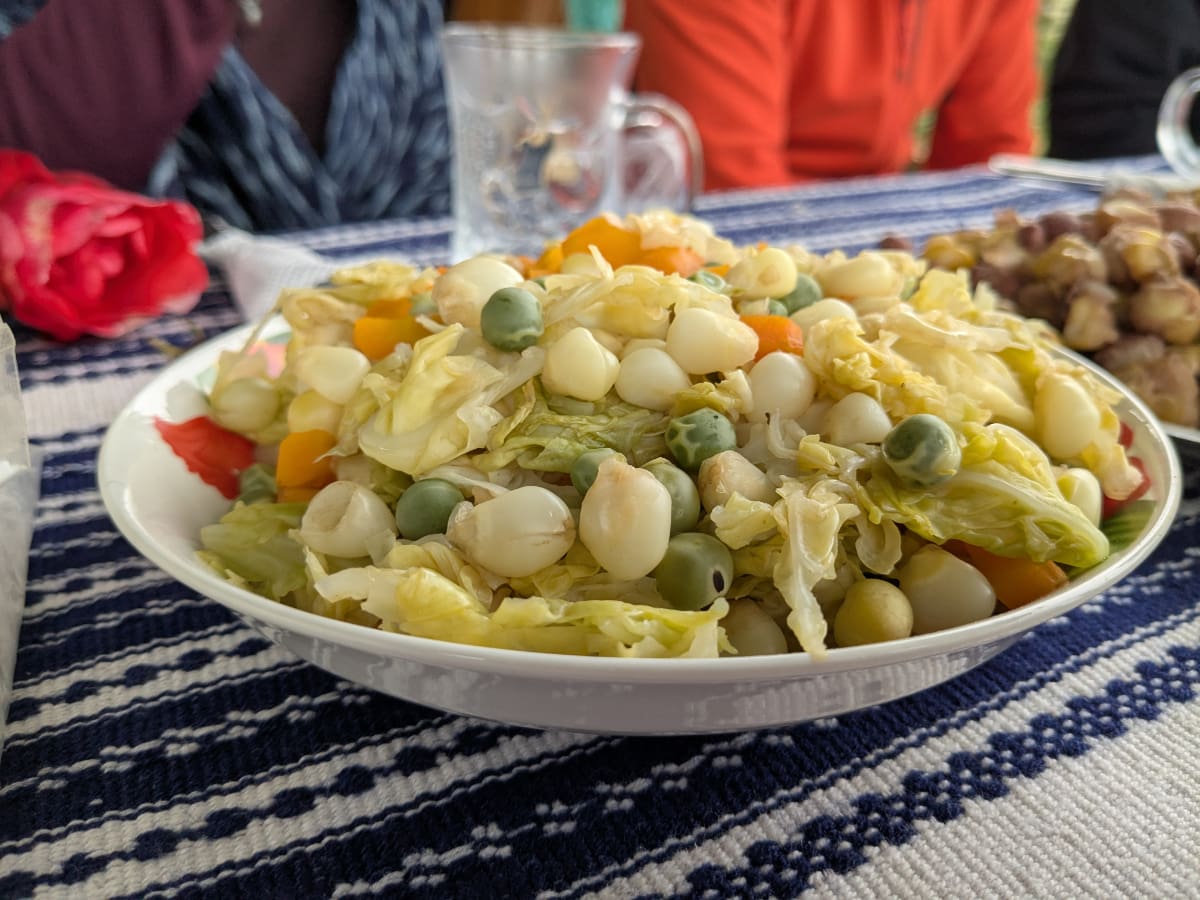
Other Delicious Andean Ingredients to Add to a Vegan Meal
Not every ingredient needs to carry the protein load. Some exist to add texture, color, familiarity, and a sense of place — the elements that make a vegan meal feel complete rather than improvised.
Melloco (Ulluco)
A colorful native tuber, melloco replaces imported starches and adds regional identity and visual depth to soups, sautés, and warm salads.
Oyster Mushrooms
Cultivated on Andean slopes, these mushrooms add savory structure and satisfying texture when paired with legumes or grains.
Mote (Andean Corn)
Large-kernel corn that adds chew, cultural grounding, and pairs beautifully with beans for a balanced plate.
Amaranth Leaves
Edible greens that contribute micronutrients and deep green contrast while reinforcing Andean agricultural heritage.
Zapallo (Andean Squash)
Adds natural sweetness, orange color, and creamy texture that balances savory beans and grains.
Pepitas (Pumpkin Seeds)
Protein-dense seeds that add crunch, healthy fats, and visual contrast when toasted and sprinkled over grain and legume dishes.
Avocado
Provides healthy fats and richness, helping vegan plates feel satisfying rather than lean.
Toasted Andean Corn
Brings crunch and contrast, elevating texture and making simple bowls feel intentional.
Fresh Herbs
Cilantro, parsley, and other local herbs add brightness and aromatic lift, preventing plant-based dishes from feeling heavy or flat.
Citrus
A squeeze of lime or lemon sharpens flavors, balances starches, and transforms a simple bowl into something vibrant and intentional.
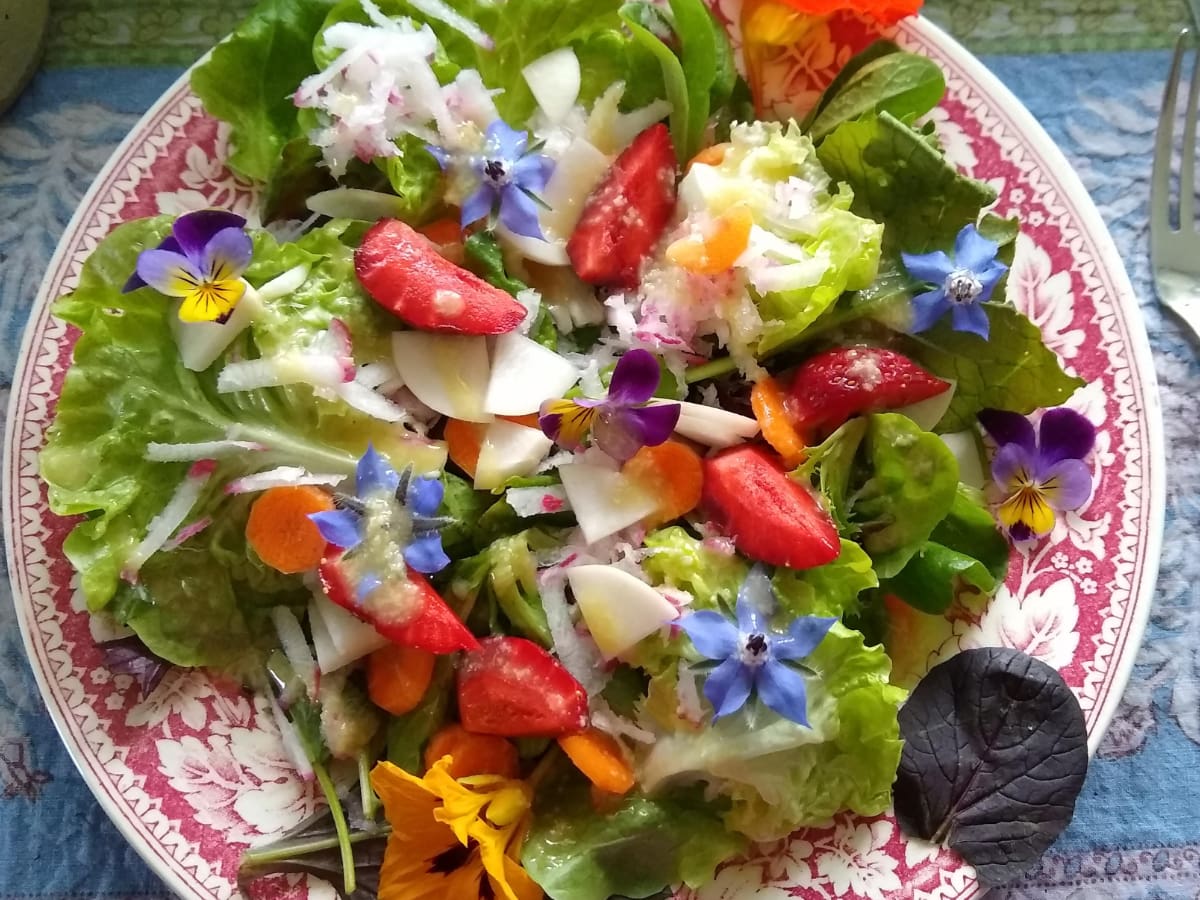
Eating with the Eyes: The Rainbow Plate
Before a guest tastes a meal, they see it.
A complete Andean vegan plate should include:
- A protein anchor (tarwi, fava beans, peas, quinoa)
- A whole-food base (quinoa, mote, melloco)
- Three or more colors from vegetables
- Texture (toasted corn, seeds, herbs)
- Brightness (citrus, vinegar, fresh salsa)
The Andes make this easy.
Purple cabbage. Golden corn. Red beets. Bright green water cress. Pink oyster mushrooms.
A layered, intentional vegan plate is more than a meal — it is a signal of professionalism and care. Guests who feel understood at the table are far more likely to return, leave strong reviews, and recommend your lodge or restuarant to others.

